
Reviewed · KRABI ELEPHANT SANCTUARY TOURS
Krabi: Elephant Care House Guided Tour with Hotel Transfers
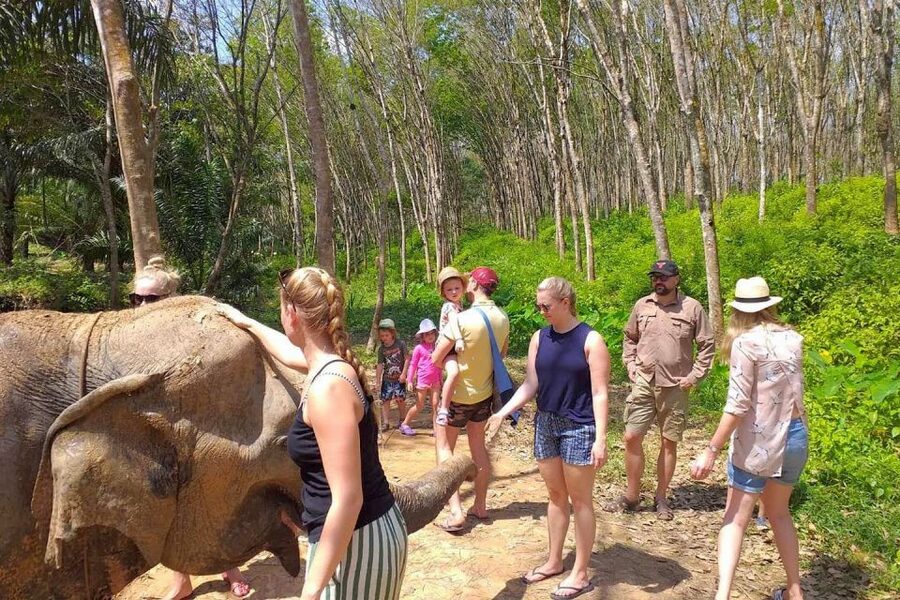
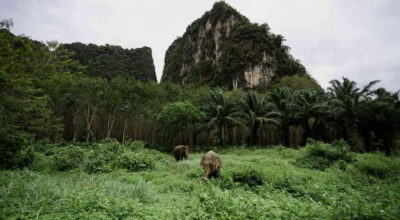
The best part of this Krabi elephant experience is the setting. You leave the beach roads behind and reach a small care house beside the forests and mountain streams of Khao Phanom Bencha National Park. The elephants walk through open jungle, not around a performance ring, and they can step away from human contact when they wish.
I like the small-group feel, which gives you real time to feed, scrub, and wash the elephants instead of standing in a crowd. I also like the clear no-riding rule and the fact that the animals may disengage. The main consideration is timing: the tour is sold as four hours, but shared transfers can take a large part of that, and some people spend closer to 1.5 or 2 hours with the elephants.
The four details that matter most
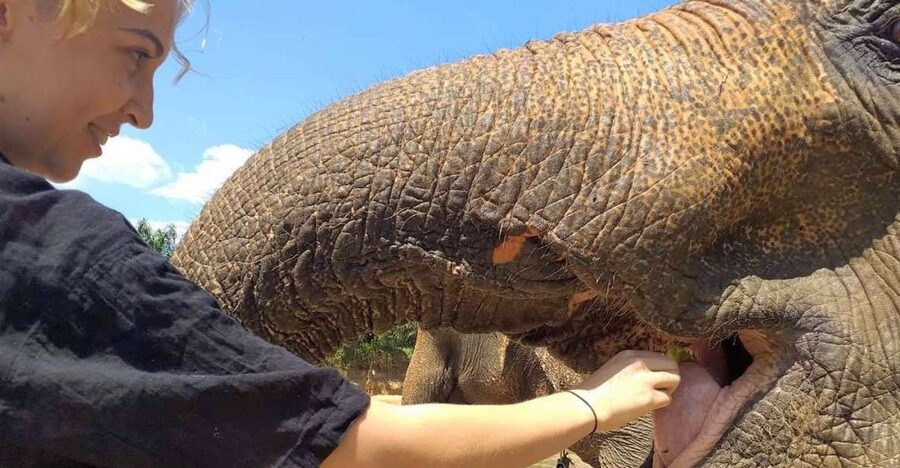
- Elephants roam freely: They may approach you, wander off, or refuse contact. That choice is central to the experience.
- Bathing is the main event: You can scrub the elephants by a stream, watch their muddy bath, and enter the water with them.
- Groups are often small: Groups of four, nine, and ten have been reported, though one group reached 14.
- Hotel pickup covers most beach areas: Transfers serve Krabi Town, Ao Nang, Ao Nam Mao, Klong Muang, and Tubkaek Beach.
- Bring protection for water and insects: Swimming shoes, insect repellent, a dry change of clothes, and a waterproof phone case will serve you well.
- The ride can be longer than expected: The care house is promoted as 15 minutes from Krabi Town, but actual shared pickup times have ranged from about 40 minutes to 1.5 hours.
Reaching the forest outside Krabi
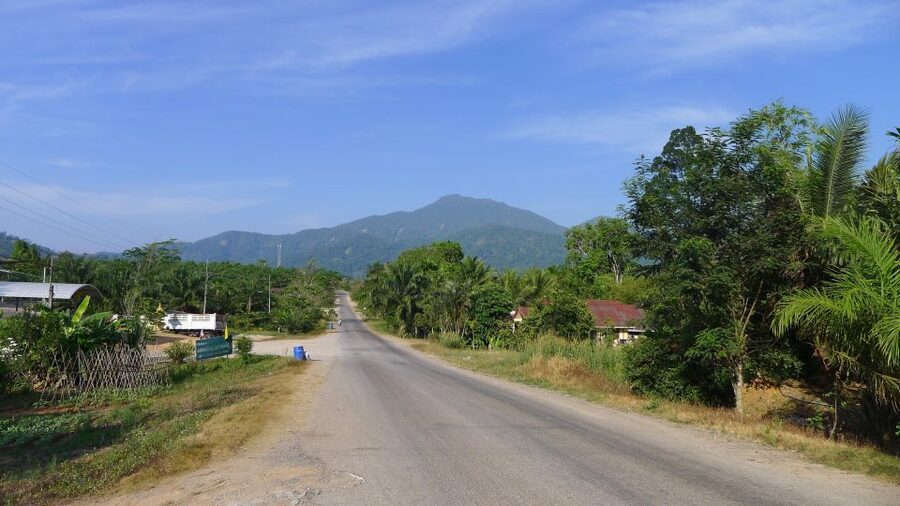
Krabi Elephant Care House sits near Khao Phanom Bencha National Park, away from the main beach strip. The area is known for thick forest, streams, waterfalls, caves, and Thailand’s highest point in Krabi Province, reaching 1,397 meters above sea level.
That description matters because this is not a polished animal show with bright signs and rows of souvenir stalls. The appeal is the natural setting and the sense of space. You spend time around a stream and under forest cover, with mountains rising around the area.
The transfer is included from hotels in Krabi Town, Ao Nang, Ao Nam Mao, Klong Muang, and Tubkaek Beach. Pickup is also arranged near Ao Nam Mao Pier for people staying at Railay East, while those staying at Tonsai Beach need to reach the meeting point at Phra Nang Inn reception in Ao Nang.
The drive itself needs a little patience. One pickup from Ao Nang took about 40 minutes, while another journey reached the care house roughly 1.5 hours after hotel pickup. Shared transfers explain much of that difference. Your exact time is confirmed by email after booking, so do not plan a tight connection afterward.
One small transport weakness is identification at pickup. A guest had trouble finding the correct driver, so keep your phone available and check the pickup details carefully. The vans are air-conditioned, which is welcome after a warm morning in Krabi.
More time with the elephants:
- Krabi: Elephant Bathing Session at Krabi Elephant Shelter
★ 4.9 · 2,021 reviews - Krabi: Elephant Sanctuary (near Ao Nang) Visit
★ 4.9 · 1,036 reviews - Krabi: Love Elephant Sanctuary Tour
★ 4.9 · 368 reviews
Starting with a safety briefing
The visit begins with a safety talk of about 15 minutes. This is not filler. Elephants are large, strong animals, even when they seem calm and gentle, and you need clear instructions before standing close to them.
You learn how to approach, where to stand, and how to behave around the animals. The staff also explain the day’s activities and the boundaries of contact. The guides speak English, Thai, and Chinese, and individual guide names that have come up include Cookie and Cocky.
Communication may vary by guide. Most of the feedback about the staff is very positive, with guides described as patient, helpful, and good at arranging photos. One person found a guide’s English difficult to follow. If you miss an instruction, ask the guide to repeat it before moving closer to an elephant.
The most important rule is simple: no riding. The elephants are not there to carry you or perform tricks. They can also move away from contact, so the correct attitude is to accept that your time with an animal depends on the animal’s mood.
Preparing food and meeting the elephants
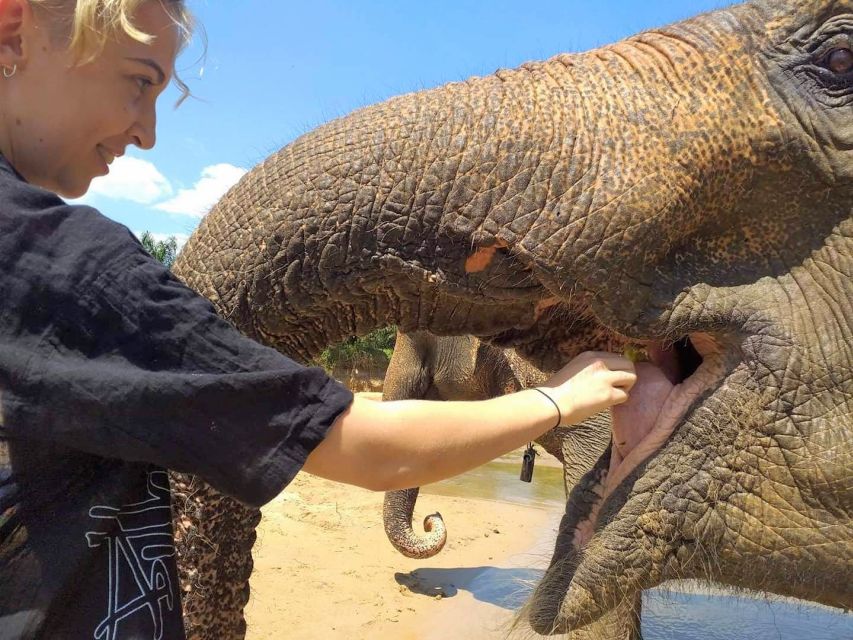
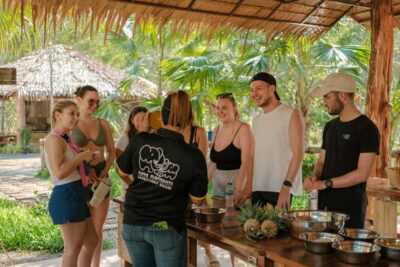
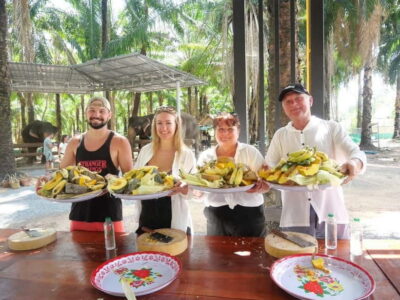
Before the water activities, you help prepare food and offer fruit. Pineapples and bananas are included, along with drinking water for you. Some accounts also describe making food balls, which adds a small hands-on task before the main contact begins.
Feeding is a good introduction because it lets you watch how the elephants respond without immediately trying to touch them. You can see their trunks working at close range and learn to offer food safely under the guide’s direction.
The care house is described as being run by local people who treat the elephants as part of the family. The animals are commonly presented as four female elephants, around 45 years old, with some having previously worked in riding camps. That background gives the visit a serious side: the setting is not just a place for holiday photos, but part of the animals’ later life.
You should still keep your expectations sensible. This is an interactive visit, so contact is built into the program. It is not a hands-off observation project. The meaningful difference is that riding is prohibited, the elephants have access to jungle space, and they are allowed to leave the group.
Walking beside elephants along the stream
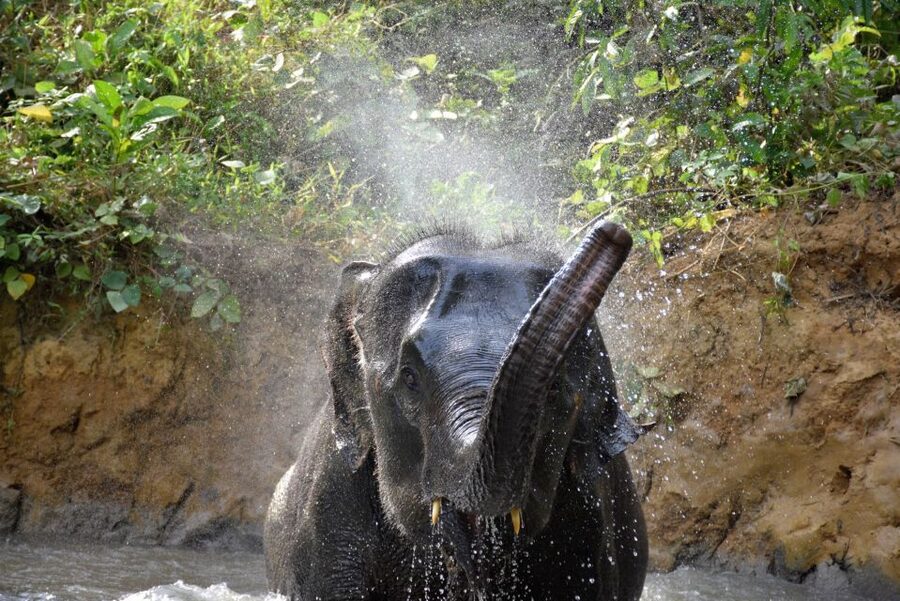
The guided walk takes about 45 minutes. You follow the elephants along a jungle stream, with the staff keeping the group together and explaining what is happening.
This is the part that gives the experience its strongest sense of place. Instead of meeting an elephant on a concrete platform, you are outside with running water, mud, trees, and uneven ground. The walk is not a strenuous jungle trek, but wet paths and stream edges can be slippery.
You need comfortable clothing and footwear that can get dirty. Swimming shoes are a particularly useful choice. Flip-flops may be less secure on wet ground, though the supplied information does not set a footwear rule.
The walk can also test your patience in a good way. The elephants do not move according to a strict show schedule. One may pause, wander toward food, or disappear into the trees. You might get fewer posed photographs than at a controlled attraction, but you get a more honest sense of an animal moving at its own pace.
Anyone with limited mobility should contact the operator before booking. One person who needed walking support received help from the staff, but the route includes a stream and natural ground, so the exact level of ease will depend on conditions that day.
A few more Krabi trips worth putting side by side
- Krabi: Guided Kayaking Tour at Ao Thalane
★ 4.6 · 276 reviews - Krabi: Morning Food Tour with Local Guide
★ 5.0 · 9 reviews - Guided Mountain Biking – Grand Tour – Trails of Ao Nang
★ 5.0 · 9 reviews
Mud, scrubbing, and the bath with elephants
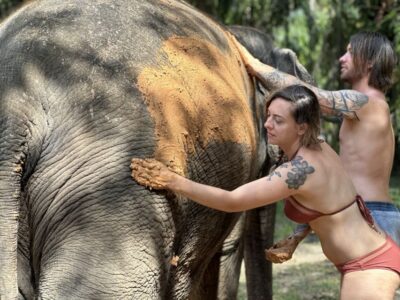
The bathing section is the heart of the visit. You watch the elephants take a muddy bath, then help clean their skin. The activity can lead straight into the water, so expect splashing, wet clothes, and mud rather than a neat photo opportunity.
You may scrub the elephants, touch them, and bathe beside them. The water is where many people find the experience most memorable, but it is also where preparation matters most. Pack a swimsuit, a full change of clothes, sunscreen, sunglasses, a hat, and insect repellent.
Use a waterproof phone case or sealed pouch. Water and mud make ordinary phone handling risky, and several people specifically wished they had better protection for their devices. A towel is also sensible, even though it is not listed among the included items.
The staff help with photos and videos, which is a real benefit when both hands are wet. In a group, though, getting a perfect solo picture can be difficult. Several people may want the same position beside an elephant, and the animals do not always wait for everyone to finish posing.
There is another practical truth: elephants may relieve themselves in the water. One cheerful account described an elephant pooping in the pool during bath time. That is not a fault with the experience, but it is a reminder that you are sharing a natural setting with a large animal, not entering a hotel swimming pool.
The guides reportedly wait until the elephants are comfortable before starting activities. That matters more than a rigid schedule. If an elephant chooses to stop or walk away, the experience works best when you accept the pause instead of treating it as a problem.
Time with the animals versus the four-hour promise
The stated duration is four hours, including pickup and drop-off. The listed activity stages add up to roughly two hours on site: a 15-minute safety briefing, a 45-minute walk, 15 minutes of camp activities, and about an hour for sightseeing and refreshments.
In actual use, time with the elephants can be around 1.5 hours, and some people felt the total activity was shorter than expected once transport was counted. Others found the length just right, especially with a small group and unhurried bathing.
This is the main point to weigh before paying $57. You are not buying four full hours of elephant contact. You are paying for a half-day package that includes hotel transport, a guide, fruit, water, basic accident insurance, and a structured encounter in a forest setting.
For many people, that is fair value. A small group, personal staff attention, and bathing time make the price easier to justify. If you want a full-day visit with long walks, feeding sessions, and extended observation, this may feel brief.
The experience also has a different value from a standard sightseeing stop. It combines transport and a guided introduction with direct care activities, and you do not need to arrange your own taxi to a remote area. The price makes the most sense if you value convenience and close contact, while accepting that the elephants control the pace.
Group size changes the entire visit
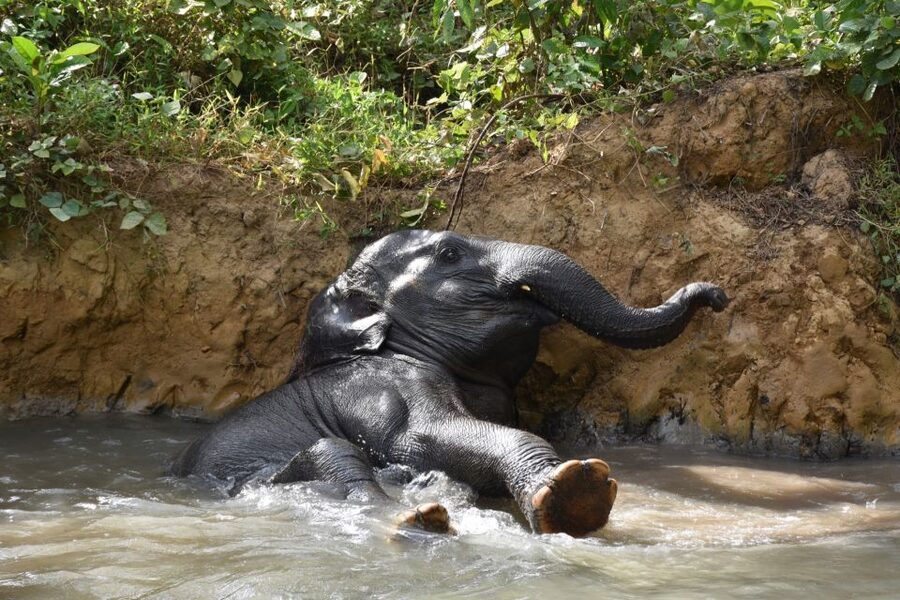
Small groups are one of the strongest features here. Groups of four, nine, and ten have been described, while another group reached 14. The smaller the group, the easier it is to stand close without crowding an elephant or waiting long for a turn with the brush and fruit.
A small group also helps the staff take photographs. Guides can move around the group, answer questions, and give each person a chance to participate. Couples may even find themselves sharing an elephant with only one or two other people in a quiet period.
The tradeoff is that you cannot guarantee a particular group size. Demand, hotel locations, and the date will affect the number of people attending. If personal space is important to you, ask about the expected group size before confirming.
Peak periods may feel more organized and busy. In a quieter period, the care house can feel much more intimate. The animals still have the final say, but fewer people usually means less competition for attention and photos.
What the care model means in practice
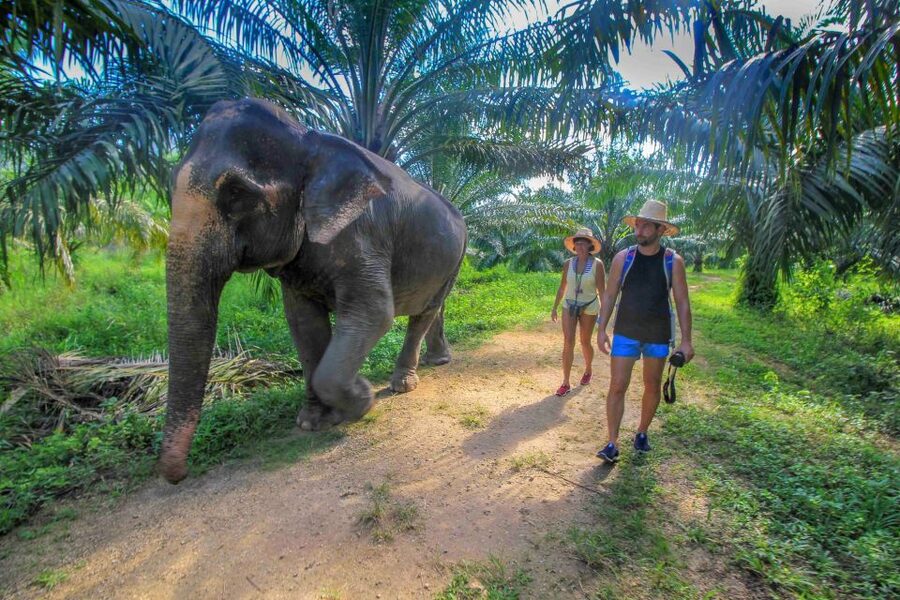
The care house describes the elephants as local animals treated like family. More important for you, the practical rules support that idea in several ways: no riding, no performance routine, open jungle access, and the ability to disengage from touch.
You should watch the animals for signs that they want space. Do not follow one that walks away just to complete a photograph. The best part of this visit is not forcing closeness, but being allowed near an elephant that has chosen to remain nearby.
The care model does not make the experience entirely hands-off. You still feed, scrub, touch, and bathe the elephants. That will suit you if you want active participation, but it may not suit you if you prefer to observe from a distance.
The setting appears especially important. One elephant has been seen approaching the group when food was offered, then returning to the jungle. Moments like that are more revealing than a posed photo because they show that the animals have room to come and go.
The practical packing list
Wear clothes that can get wet and muddy. A swimsuit under quick-drying clothing works well, and you should bring a complete change for the ride back to your hotel.
Pack:
- Swimming shoes or secure water footwear
- Insect repellent
- Sunscreen
- Sun hat and sunglasses
- Waterproof phone case
- Camera, if you are willing to protect it from water
- Towel
- Dry clothes
Drinking water and fruit are included. Rain is possible, and raincoats may be provided when conditions turn wet. Heavy rain does not necessarily stop the visit, but it can make paths muddier and photographs harder.
The tour is not suitable for anyone expecting a clean, dry, tightly timed attraction. It is better suited to you if you can laugh at mud, wet clothes, animal mess, and a schedule that bends around the elephants.
Who should book this experience
I would recommend it for couples, families, and small groups who want close contact without riding. Children should be supervised carefully, since the animals are powerful and the ground can be wet.
It is also a good choice if you are staying in Krabi Town or along the Ao Nang coast and want hotel transport included. The four-hour format leaves room for other plans on the same day, but allow extra time if you have an evening booking or onward transport.
You should think twice if you want a strictly observational sanctuary with no touching. You should also reconsider if you dislike swimming, mud, insects, or uncertain timing.
The strongest reasons to choose this place are the no-riding policy, the ability of elephants to walk away, the forest stream setting, and the small-group attention. The main compromises are the transfer time, the possibility of shorter-than-expected contact, and the wet, messy nature of the bath.
Should you book Krabi Elephant Care House?
Book it if feeding, walking beside, scrubbing, and bathing elephants sounds more appealing than watching from behind a fence. At $57, the price is reasonable for a half-day outing with hotel transfers, a multilingual guide, refreshments, and a small-group format, provided you understand that the elephants set the timetable.
Before booking, confirm your pickup point and allow more than the advertised 15-minute drive from Krabi Town if you are sharing transport. Bring water-safe footwear, insect repellent, a waterproof phone case, and dry clothes.
If you can respect an elephant’s choice to walk away, this is a personal and memorable way to meet these animals. If you need guaranteed contact every minute, a spotless setting, or a precise schedule, choose a different kind of attraction.
FAQ
How long does the Krabi Elephant Care House tour last?
The full experience lasts about four hours, including hotel pickup and drop-off. The scheduled activities at the care house include a 15-minute safety briefing, a 45-minute walk, camp activities, and about an hour of sightseeing and refreshments.
Where does the tour pick up?
Pickup is available from hotels in Krabi Town, Ao Nang, Ao Nam Mao, Klong Muang, and Tubkaek Beach. Railay Beach guests can use the pickup point at the boat ticket office at Ao Nam Mao Pier, while Tonsai Beach guests should go to the meeting point at Phra Nang Inn reception in Ao Nang.
Can I ride the elephants?
No. Riding the elephants is not allowed.
Can I bathe with the elephants?
Yes. The activities include cleaning the elephants’ skin, watching them take a muddy bath, and bathing with them in the stream area.
What languages does the guide speak?
Guides are available in English, Thai, and Chinese.
What should I bring?
Bring sunglasses, a sun hat, swimwear, dry clothes, sunscreen, insect repellent, comfortable clothing, and a camera. Swimming shoes, a towel, and a waterproof phone case are also useful because the bathing activity involves water and mud.
Just added around Krabi
- Home Style Family class with fruit carving and market tour★ 4.5 · 20 reviews
- Half Day Kayaking Experience In Ao Thalane★ 5.0 · 20 reviews
- Half-Day Sea Kayaking Adventure in Ao Thalane Bay from Krabi★ 5.0 · 5 reviews
- Half-Day Rock Climbing Course at Railay Beach by King Climbers★ 4.0 · 11 reviews
- Intermediate-Advanced Half Day Private Rock Climbing Trip at Railay Beach★ 4.5 · 13 reviews
- Half-Day Jungle Tour Including Crystal Pool and Krabi Hot Springs★ 3.5 · 8 reviews
- Half Day Jungle Tour to Emerald pool and Krabi Hot Spring★ 4.0 · 34 reviews
- Secret Agent Odyssey to James Bond & Hong Island from Krabi★ 4.5 · 33 reviews
Krabi Elephant Sanctuary Tours, compared.
Elephant Bathing Session at Krabi Elephant Shelter
Read our review →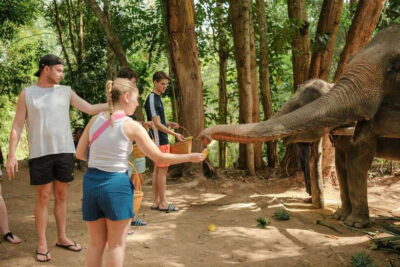
Elephant Feeding Program with Traditional Thai Dress
Read our review →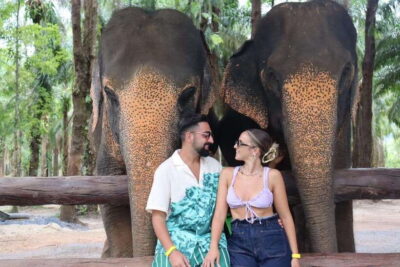
Ethical Elephant Sanctuary & Tiger Cave Temple Tour
Read our review →Browse the lists this tour appears in